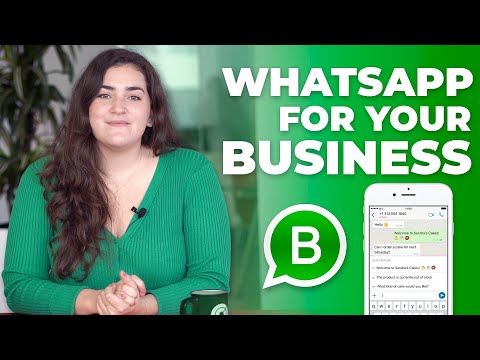
Welcome to the ultimate guide designed to help you unlock the full potential of WhatsApp Business. In today's fast-paced digital landscape, effective communication and strong customer relationships are paramount for business growth. WhatsApp Business offers a powerful, yet user-friendly, platform to achieve just that, transforming how you connect with your audience.
This guide is crafted for beginners, providing clear, confident, and friendly insights into the latest features and marketing strategies. By the end, you'll be equipped with the knowledge to improve communication, boost customer engagement, and drive remarkable results for your business.
Table of Contents
Why WhatsApp Business is Your Next Essential Tool
Setting Up Your WhatsApp Business Profile
Leveraging Core WhatsApp Business Features
Boosting Engagement with Advanced Tools
Crafting Effective WhatsApp Marketing Strategies
Elevating Customer Support and Service
Measuring Success and Continuous Optimization
The Future-Forward Vision of WhatsApp Business
Frequently Asked Questions (FAQ)
Key Takeaways
1. Why WhatsApp Business is Your Next Essential Tool
WhatsApp has evolved from a personal messaging app into a critical business communication channel, with over 2 billion users worldwide and a staggering 98% message open rate. This incredible reach and engagement make it an unparalleled platform for businesses looking to connect directly and personally with their customers. In 2025, marketers are increasingly recognizing WhatsApp's power, with many planning to make it their top messaging channel.
By integrating WhatsApp into your business strategy, you can cut through the noise of traditional marketing channels, offering a direct and preferred line of communication that customers truly want to engage with. This translates into improved engagement, higher conversion rates, and the ability to build stronger, more loyal customer relationships. Imagine simplifying the ordering process, showcasing products with rich media, and providing real-time support, all within a single, familiar app.
2. Setting Up Your WhatsApp Business Profile
Getting started with WhatsApp Business is straightforward and lays the foundation for all your customer interactions. The first step involves downloading the free WhatsApp Business app, available on both Android and iOS, and creating a dedicated business account. This isn't just a personal profile; it's your digital storefront, designed to provide essential information and build credibility with your audience.
Your business profile is where you showcase important details like your business name, address, description, email, and website. A complete and on-brand profile helps customers easily find and connect with you, establishing a professional presence right from the start. Taking the time to optimize this profile is a strategic move, ensuring customers have immediate access to key information about your company.
3. Leveraging Core WhatsApp Business Features
WhatsApp Business comes packed with essential features designed to streamline your communication and enhance the customer experience. Quick Replies, for instance, allow you to save and reuse common responses to frequently asked questions, making interactions faster and smoother. This efficiency saves valuable time for your team and provides instant answers for your customers.
Another powerful feature is the Product Catalog, which enables you to showcase your products and services directly within the app. You can organize items into collections, share your entire catalog or specific product links, and even allow customers to easily select items to send as a single message, simplifying the shopping experience. Additionally, features like Away Messages automatically inform customers when you're unavailable, and Contact Labels help you organize chats and contacts for efficient management.
4. Boosting Engagement with Advanced Tools
Beyond the basic features, WhatsApp Business offers advanced tools that significantly boost customer engagement and streamline complex interactions. Interactive Messages, which include quick reply buttons and calls-to-action, guide customers through their journey without them having to type long responses. This can simplify actions like tracking orders, browsing product menus, or confirming bookings, making the customer experience seamless and intuitive.
The platform is also embracing next-generation Business AI and chatbots. These AI-powered chatbots can handle FAQs, qualify leads, manage bookings, and automate support 24/7, providing immediate responses and freeing up your team for more complex inquiries. Furthermore, with innovations like WhatsApp Commerce and WhatsApp Flows, businesses can create rich, in-thread experiences, allowing customers to shop and complete tasks without ever leaving the platform.
To truly leverage WhatsApp for marketing, a strategic approach is key. Collecting customer opt-ins is paramount, as WhatsApp requires explicit consent before sending marketing messages. While specific channel opt-in requirements have evolved, it remains a best practice to transparently obtain consent for WhatsApp communications, building trust and ensuring effective engagement. Once you have opt-ins, segmenting your audience based on purchase history, demographics, and engagement levels allows for highly targeted and personalized campaigns.
Broadcast messages are an excellent way to promote your business and share updates with segmented groups. Personalizing these messages significantly increases engagement and fosters stronger relationships. Another powerful strategy is using Click-to-WhatsApp Ads on Facebook and Instagram, which drive potential customers directly into a WhatsApp chat with your business, converting ad interest into direct conversations. This seamless journey can lead to higher conversion rates and reduced customer acquisition costs.
6. Elevating Customer Support and Service
WhatsApp Business excels as a customer support channel, enabling businesses to provide prompt, personalized, and efficient service. Automated messages, such as greeting messages for new customers or away messages when you're offline, ensure that customers always receive a timely response. This 24/7 availability significantly enhances customer satisfaction.
Personalization is crucial in building strong customer relationships. Addressing customers by name and tailoring messages to their preferences and past interactions makes the communication feel human, not robotic. You can also use WhatsApp to collect valuable feedback through surveys and polls, gather real-time insights, and keep customers informed about order statuses, enhancing transparency and loyalty. By integrating WhatsApp with your CRM, you can automate follow-ups and track engagement, providing a more cohesive and responsive support experience.
7. Measuring Success and Continuous Optimization
To ensure your WhatsApp Business efforts are yielding the best results, it's vital to monitor and analyze your performance regularly. WhatsApp Business provides statistics and analytics that offer insights into messaging metrics, such as the number of messages sent, delivered, read, and received. This data helps you understand what's working and identify areas for improvement.
Beyond basic metrics, it's important to track click-through rates, conversion rates, and ultimately, the return on investment (ROI) of your WhatsApp campaigns. This data-driven approach allows you to optimize your strategies continually, refine your messaging, and ensure your campaigns are aligned with your business goals. By learning from the data, you can build more complex flows and sequences, leading to sustained growth and improved customer lifetime value.
8. The Future-Forward Vision of WhatsApp Business
The landscape of WhatsApp Business is continuously evolving, with exciting innovations on the horizon for 2025 and beyond. One significant trend is the advancement of AI-powered personalization, which will allow businesses to deliver hyper-relevant messages based on intricate user behavior and real-time data. Expect AI to play a more prominent role in closing sales and enhancing overall customer interactions.
Further enhancements include expanded conversational and voice features, potentially allowing for in-platform voice and video calls for richer interactions. Augmented Reality (AR) integration for product visualization and virtual try-ons is also anticipated, transforming the shopping experience directly within chats. Moreover, deeper integrations with CRMs, analytics platforms, and marketing automation software will create a more seamless omnichannel experience across WhatsApp, Instagram, and Facebook, making it an even more powerful tool for businesses of all sizes.
Frequently Asked Questions (FAQ)
Q: Is WhatsApp Business free to use?
A: Yes, the WhatsApp Business app is free to download and use for small and medium-sized businesses. For larger businesses with high volumes of messages, the WhatsApp Business Platform (API) may be used, which typically involves a conversation-based pricing model.
Q: What's the difference between WhatsApp and WhatsApp Business?
A: WhatsApp is for personal use, while WhatsApp Business offers specialized features for companies, including a business profile, automated messages, quick replies, catalogs, and labels.
Q: How can I get customers to opt-in for WhatsApp messages?
A: You can collect opt-ins by adding a click-to-chat link on your website, using QR codes in stores, or offering incentives for WhatsApp sign-ups. Always be transparent about the type of messages customers can expect.
Q: Can I send bulk marketing messages on WhatsApp Business?
A: Yes, you can use broadcast lists to send messages to multiple customers at once. However, it's crucial to personalize these messages and adhere to WhatsApp's policies regarding promotional content to maintain a good quality rating.
Q: What are WhatsApp Flows?
A: WhatsApp Flows allow businesses to create interactive, in-chat experiences where customers can complete tasks like shopping or booking without leaving the WhatsApp platform.
Key Takeaways
WhatsApp Business is a highly effective tool for customer engagement due to its extensive user base and high open rates.
Setting up a complete and professional business profile is crucial for establishing credibility and providing essential information.
Leverage core features like Catalogs, Quick Replies, and Automated Messages to streamline communication and showcase products.
Advanced tools such as Interactive Messages, WhatsApp Flows, and AI-powered chatbots significantly enhance customer engagement and support.
Implement strategic marketing by obtaining opt-ins, segmenting your audience, and utilizing broadcast messages and Click-to-WhatsApp Ads.
Prioritize personalized customer support, collecting feedback, and integrating with CRM for a cohesive service experience.
Regularly measure performance metrics and optimize your strategies for continuous growth and improved ROI.
Stay informed about future innovations like advanced AI, AR integration, and enhanced multi-channel capabilities to remain competitive.



 Alex Martun



 Alex Martun