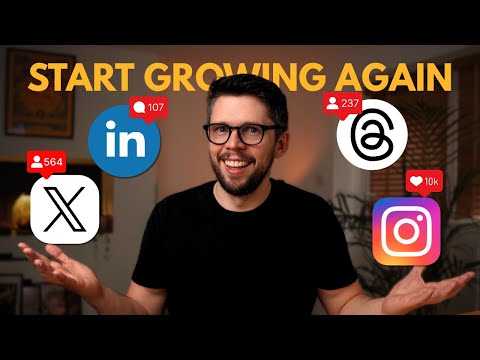
In the dynamic world of search engine optimization (SEO), the term "social signals" refers to the collective engagement metrics from social media platforms. These include likes, shares, comments, mentions, and other forms of interaction that indicate how content resonates with an audience on platforms such as Facebook, Instagram, LinkedIn, and TikTok. Essentially, they are a measure of your brand's popularity and authority within social networks, reflecting the social proof and virality of your content.
While not a direct ranking factor in the same vein as backlinks or site speed, social signals play a crucial role in the broader ecosystem of online visibility. They highlight user interest and content value, providing search engines with auxiliary data points about the relevance and quality of your web pages. Understanding and leveraging these signals can significantly amplify your overall digital marketing efforts.
2. The Indirect Influence on SEO
It's a common misconception that social signals directly impact search engine rankings. Google has consistently stated that social media signals like likes, shares, comments, and followers are not a direct ranking factor in its search algorithm. Former head of Google's webspam team, Matt Cutts, clarified this in 2014, emphasizing that Google does not put special weight on follower counts or likes. John Mueller, a Google Search Advocate, has also reiterated multiple times, from 2015 through 2022, that social signals do not directly help in organic rankings, and that social media links often have a "nofollow" attribute.
However, their influence on SEO is undeniably significant, albeit indirect. Social media activity helps to increase content exposure, driving more traffic to your website. This increased traffic can lead to more backlinks, longer dwell times, and lower bounce rates – all of which are positive signals that search engines do consider. When content performs well on social media, it often attracts backlinks from other websites, and those backlinks are a direct ranking factor in SEO. Furthermore, Google recommends promoting website content on social media for faster discovery and crawling. Recent Google leaks from 2024 have also suggested that user engagement metrics, such as clicks, impressions, and Chrome data, do play a significant role in rankings, potentially contradicting past public statements while aligning with the indirect benefits of strong social presence on user behavior.
3. Boosting Online Visibility Through Social Media
Social media platforms are powerful conduits for extending the reach of your content beyond your immediate audience. When your content is shared, liked, and commented on across various networks, it gets exposed to a much wider array of potential readers and customers. This enhanced visibility is critical for attracting new audiences who might not otherwise discover your website through traditional search engine queries.
Beyond mere exposure, consistent activity and engagement on social media can also lead to your content being featured in trending topics or recommended feeds on these platforms. Such placements dramatically increase your content's discoverability and can result in significant spikes in referral traffic to your site. This increased exposure drives traffic back to your website, signaling to search engines that your site is relevant and valuable. Optimized social media profiles are also indexed by Google, contributing to broader visibility. This expanded reach is a key component of a robust online visibility strategy.
4. Fostering Audience Engagement
Social signals are, at their core, a reflection of audience engagement. When users actively interact with your content – by liking a post, leaving a thoughtful comment, or sharing it with their network – they are demonstrating a connection and interest in what you have to say. This engagement is invaluable for building a loyal community around your brand. The more users interact with your content on social media, the more it shows search engines that your content is engaging and worth ranking.
Active engagement also provides direct feedback and insights into what resonates most with your audience. This information can be leveraged to refine your content strategy, create more targeted and valuable content, and further strengthen your relationship with your followers. A highly engaged audience is more likely to become repeat visitors, brand advocates, and ultimately, paying customers.
5. Key Social Signals to Focus On
While all forms of social interaction are beneficial, certain social signals carry more weight in terms of indicating true content value and reach. Shares and retweets, for instance, are particularly powerful because they signify that a user found your content valuable enough to disseminate it to their own network. This acts as a direct endorsement and greatly extends your content's potential audience.
Comments and discussions generated around your content are also highly valuable. They indicate a deeper level of engagement and interest, often sparking further conversations and increasing the overall time users spend interacting with your brand's content. Likes and reactions, while simpler, still contribute to a cumulative effect of social proof, showing broad approval of your content. Other important social signals to focus on include views, the number of followers, mentions, and click-through rates (CTR). Moreover, social content now plays a role in informing AI search results, such as Google AI Overviews and platforms like ChatGPT.
6. Strategies for Amplifying Your Social Presence
To effectively leverage social signals for SEO benefits, it's essential to have a deliberate social media strategy. Regularly publishing high-quality, relevant content that genuinely interests your audience is paramount. Content that is engaging, informative, and emotionally resonant tends to perform best, with videos, infographics, and comprehensive guides often receiving more shares and likes.
Beyond content creation, active promotion and interaction are key. Don't just post and walk away; actively engage with comments, respond to questions, and participate in relevant discussions. Encouraging user-generated content, running contests, and utilizing calls to action that prompt sharing can also significantly boost your social signals and expand your reach. Linking your website and social media profile pages together can also help Google identify the reciprocal connection. Utilizing social bookmarking platforms like Pinterest and Reddit can also improve visibility and generate valuable backlinks.
7. The Future of Social Signals and SEO
The relationship between social signals and SEO is continually evolving. While direct correlation may remain elusive in Google's official statements, the indirect influence of social media on search performance is likely to strengthen. The 2024 Google leaks revealed that user engagement metrics are increasingly becoming important in the algorithmic criteria, suggesting that signals of user satisfaction derived from social interaction are indeed considered.
The rise of AI and sophisticated algorithms means that search engines are becoming better at understanding user intent and content quality, even without explicit social signals as direct ranking factors. Google's AI-powered search results now reward content that demonstrates expertise, community interaction, and real-world relevance. As AI models gain deeper insights into user behavior and generative search systems prioritize brand relevance, a strong, authentic social presence that drives genuine engagement will therefore continue to be a vital component of a holistic SEO strategy, contributing to overall brand authority and online visibility.
8. Frequently Asked Questions (FAQ)
Q: Do social signals directly affect Google rankings?
A: No, Google has consistently stated that social signals like likes and shares are not direct ranking factors for SEO. Their impact is indirect, by increasing content visibility, traffic, and brand recognition. However, recent Google leaks (2024) suggest that user engagement metrics, which social signals contribute to, do play a role in rankings indirectly.
Q: How do social signals indirectly help SEO?
A: They increase content exposure, leading to more website traffic, potential backlinks, longer dwell times, and lower bounce rates. They also contribute to brand building and increased direct searches for your brand, which are all positive signals for search engines. Moreover, strong social engagement can lead to user engagement metrics that Google considers for rankings.
Q: Which social signals are most important?
A: Shares and comments are often considered more valuable than likes, as they indicate a deeper level of engagement and endorsement of your content. However, all forms of positive interaction contribute to overall social proof. Other important signals include views, number of followers, mentions, and click-through rates (CTR).
Q: How can I improve my social signals?
A: Focus on creating high-quality, engaging content (e.g., videos, infographics), actively participate in discussions, respond to comments, encourage user-generated content, and use clear calls to action for sharing and interaction. Linking your website and social profiles together also helps.
Q: Is social media important for SEO if it's not a direct ranking factor?
A: Absolutely. Social media is crucial for brand building, audience engagement, content distribution, and driving referral traffic, all of which indirectly contribute to improved SEO performance and overall online presence. Its role in contributing to user engagement metrics, as highlighted by recent leaks, further solidifies its importance.
9. Key Takeaways
Social signals are engagement metrics from social media platforms, including likes, shares, and comments, indicating content popularity and relevance.
While not direct ranking factors, social signals indirectly influence SEO by boosting content visibility, driving traffic, fostering backlinks (a direct ranking factor), and enhancing brand recognition.
Recent Google leaks suggest that user engagement metrics (clicks, impressions, dwell time) are considered in rankings, which social signals significantly contribute to.
A strong social presence significantly increases online visibility, exposing content to wider audiences and potentially leading to higher referral traffic.
Genuine audience engagement, reflected in social signals, helps build a loyal community, provides valuable feedback, and strengthens customer relationships.
Focus on encouraging shares and comments, as these indicate deeper content value and user endorsement; also consider views, followers, mentions, and CTR.
Strategies to improve social signals include creating high-quality content, active engagement, encouraging user interaction, and linking social profiles to your website.
In the evolving landscape of SEO, a robust and authentic social media presence remains a critical component of a comprehensive digital marketing strategy, contributing to overall brand authority and search performance, especially with the rise of AI in search.



 Alex Martun




 Alex Martun