We're living in an exhilarating era for digital marketing, where innovation is constant and new opportunities emerge almost daily. To truly thrive in today's dynamic online world, it's essential for brands to stay ahead of the curve, understand the shifts in consumer behavior, and master the tools and techniques that will drive success. This article will confidently guide you through the top digital marketing trends you need to know, providing clear insights and actionable strategies to help your brand connect, engage, and convert in 2026 and beyond.
The Ascendancy of Video: Short-Form, Interactive, and Shoppable
Privacy-First Marketing and the Power of First-Party Data
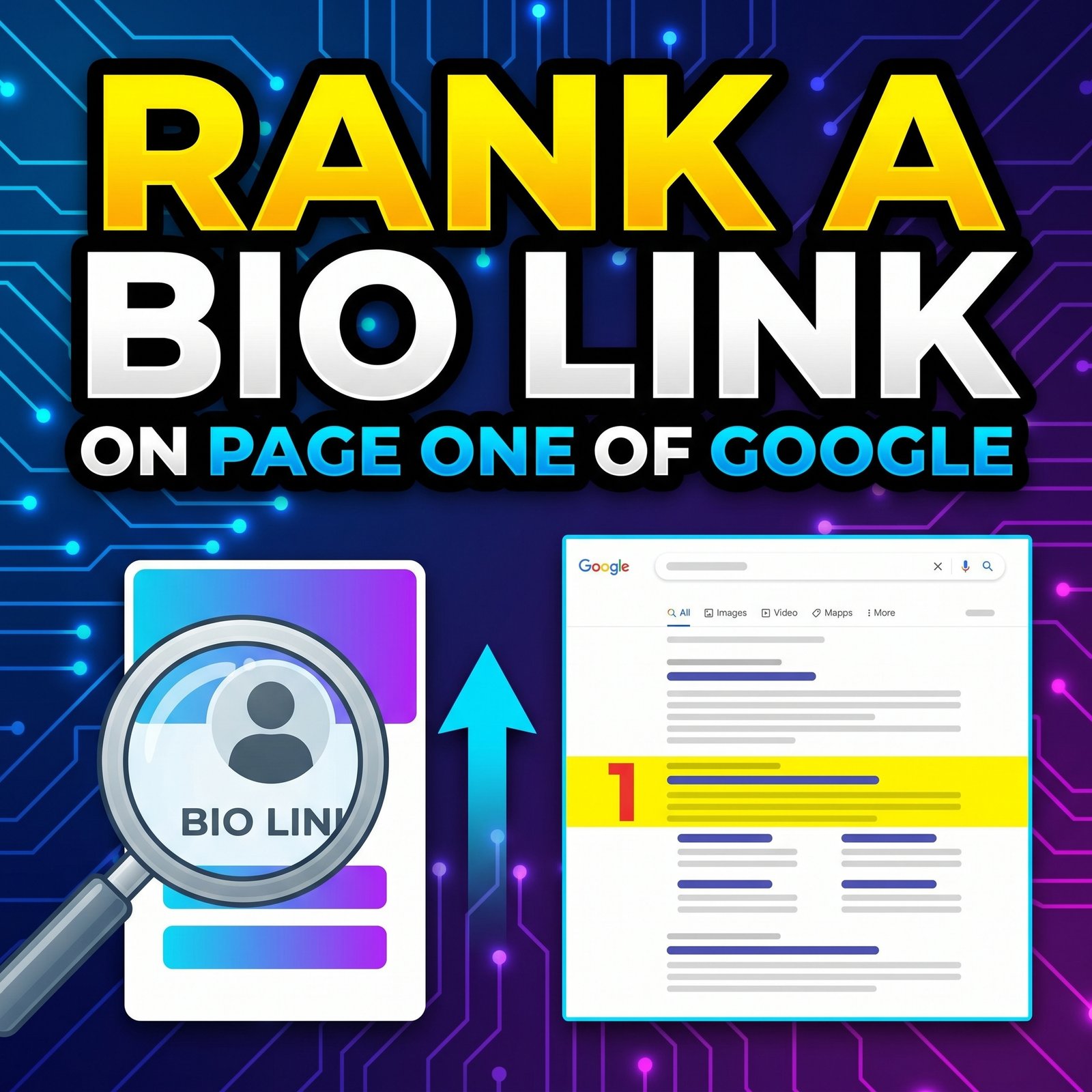
Search Everywhere Optimization: Beyond Traditional SEO
Authentic Connections: Influencer Marketing and User-Generated Content
Immersive Experiences: The Future of Engagement
Frequently Asked Questions
Key Takeaways
1. The AI Revolution in Digital Marketing
Artificial Intelligence (AI) is no longer a futuristic concept; it's the foundational layer of modern digital marketing strategies. In 2026, AI is driving efficiency, precision, and scalability across nearly every marketing function, from content creation and ad optimization to customer service and predictive analytics. Brands are leveraging AI tools to automate complex workflows, generate diverse creative variations, and identify winning campaign combinations in real-time, moving beyond basic automation to agentic AI systems that make multi-step decisions and execute complex tasks autonomously. This shift allows marketers to focus less on manual execution and more on strategic decision-making, creativity, and performance optimization, leading to what some call "AI elevation" rather than just "AI automation".
The impact of AI extends to how brands understand and interact with their audience. AI systems are now capable of processing and interpreting vast amounts of data in real-time, analyzing user behavior, intent signals, and engagement patterns to predict outcomes even before campaigns launch. This capability empowers marketers to identify high-value audiences, allocate budgets more efficiently, and significantly reduce trial-and-error in campaign planning. The integration of AI isn't about replacing human creativity but augmenting it, allowing for more data-driven insights and more impactful campaigns.
In 2026, personalization has evolved from a differentiator to an expectation. Consumers now anticipate tailored experiences, with 71% reporting frustration when interactions aren't personalized. AI-powered hyper-personalization is at the forefront of this trend, enabling brands to deliver highly relevant content, product recommendations, and offers to individual consumers at scale. This involves using customer data, such as browsing history, past purchases, and demographic information, to adapt creative, messaging, timing, and channel selection based on individual preferences and needs.
The benefits of effective personalization are substantial. Fast-growing companies generate up to 40% more revenue from personalization than their slower-growing peers, and brands excelling in personalization are 71% more likely to report improved customer loyalty. Additionally, research shows that personalized campaigns can increase conversion rates by over 20%. As AI platforms like ChatGPT and Gemini set new standards for personalized shopping experiences, consumers expect this level of contextual personalization across all brand interactions. However, it's crucial to get personalization right; inaccurate or poorly personalized messages can lead to customer frustration and a loss of trust. Real-time data is critical for effective hyper-personalization, allowing businesses to immediately adjust messages and offers based on customer needs.
Video content continues its reign as a dominant force in digital marketing, with short-form video remaining particularly crucial for brand awareness and engagement. Platforms like TikTok, Instagram Reels, and YouTube Shorts drive high engagement rates, as audiences increasingly prefer quick, engaging clips that deliver value fast. These short videos, often between 15 and 90 seconds, are excellent for product teasers, behind-the-scenes glimpses, and quick tips, proving more effective than longer formats for capturing attention and building trust quickly. Short-form video is often cited as the fastest trust builder.
Beyond short-form, interactive and shoppable video experiences are blurring the lines between content and commerce. Video is no longer a passive medium; it's an interactive journey. Brands are integrating elements like polls, quizzes, clickable hotspots for product details, and live Q&A sessions directly into videos. Shoppable video, in particular, transforms a high-attention moment into an immediate buying opportunity, effectively integrating the conversion funnel directly into the content flow. This trend underscores the importance of creating diverse video content tailored to different platforms and audience engagement styles. AI is also accelerating the next era of video creation and experimentation.
4. Privacy-First Marketing and the Power of First-Party Data
With the deprecation of third-party cookies and the continuous evolution of global data privacy regulations like GDPR and new U.S. state laws, a privacy-first approach is no longer optional; it's a strategic imperative. In 2026, brands are focusing heavily on collecting and leveraging first-party and zero-party data, which is information gathered directly from customer interactions and explicitly provided by consumers. This shift builds greater trust through transparency and a clear value exchange. First-party data comes from interactions like website visits and purchase history, while zero-party data is intentionally shared by customers through surveys or preference centers.
Compliance with privacy regulations has become a competitive advantage, not just a legal obligation. Brands that prioritize transparent data practices and ethical data use are strengthening long-term relationships with customers. This involves implementing robust consent management systems, establishing clear data governance, and conducting regular audits of data collection and usage practices. Marketers must navigate a complex landscape of regulations, ensuring that their strategies are not only effective but also compliant and respectful of consumer privacy.
The landscape of search is rapidly expanding beyond traditional search engines, leading to what's now being called "Search Everywhere Optimization". In 2026, brands need to optimize for AI-powered search results (like Google's AI Overviews), voice search, visual search, and even social media platforms, which increasingly act as search engines for local services and products. This omnichannel approach to search requires content to be structured with machine-readability in mind, utilizing clear metadata and schema markup so that AI models can easily extract and synthesize information. Visibility is no longer just about ranking for a keyword, but about being the most useful and trustworthy answer.
Furthermore, the emphasis on E-E-A-T (Experience, Expertise, Authoritativeness, and Trustworthiness) continues to grow in importance for search engine ranking. Creating high-quality, human-centered content that demonstrates genuine value and expertise is key to building credibility with both users and search engines, especially in an environment saturated with AI-generated content. SEO is no longer just about keywords; it's about building comprehensive content ecosystems that answer real user questions and establish a brand as a trusted authority. Being cited by AI-powered search engines is becoming more important than just ranking traditionally.
6. Authentic Connections: Influencer Marketing and User-Generated Content
Authenticity is a paramount currency in digital marketing for 2026, making user-generated content (UGC) and influencer marketing more vital than ever. Consumers are increasingly discerning, preferring real, unscripted content over polished advertisements, and trusting content that feels genuine. UGC, including customer reviews, testimonial videos, and real project photos, effectively reduces doubt and builds trust because "people trust people". Brands are building systems to consistently collect and deploy UGC across various marketing channels. This content performs better in feeds because it looks organic.
Influencer marketing is also evolving towards more authentic and performance-driven partnerships. There's a growing focus on micro and nano-influencers who have strong relationships with niche communities, often leading to higher engagement rates and stronger audience trust than larger accounts. Long-term creator partnerships are outperforming one-off campaigns, as brands aim for sustained engagement and treat creator content as a valuable performance media asset, licensing it for paid social ads and rigorous testing. In 2026, UGC from influencer partnerships can generate 5x higher engagement rates compared to branded content alone.
7. Immersive Experiences: The Future of Engagement
Immersive experiences, particularly through Augmented Reality (AR) and Virtual Reality (VR), are gaining significant momentum as powerful digital marketing tools. These technologies are bridging the gap between digital content and real-world engagement, offering consumers interactive and memorable brand interactions. For instance, AR allows consumers to virtually try on products, explore homes, or test out items before making a purchase, significantly shortening the buying journey and driving conversions, especially on mobile devices. These technologies can lead to higher conversion rates, up to 40% in some cases, and improved brand recall.
The retail, tourism, and real estate sectors are seeing strong returns from these immersive experiences. Brands are investing in building AR-ready assets, such as 3D product models, and optimizing their content for visual discovery. While still emerging for some, the ability to offer engaging, interactive content through AR and VR positions brands at the forefront of innovative customer experiences, allowing them to stand out in a competitive online landscape. Immersive experiences will likely shift from being innovative to being an expected part of the customer journey.
Frequently Asked Questions
Q1: What is the biggest digital marketing trend in 2026?
A1: AI-powered marketing is arguably the most significant trend, influencing content creation, personalization, analytics, and campaign optimization across all channels, becoming the foundation of many strategies.
Q2: How important is personalization in digital marketing now?
A2: Hyper-personalization is now an expectation rather than just a differentiator. Consumers expect tailored interactions, and brands that excel in this area see higher engagement, stronger loyalty, and increased revenue.
Q3: Is short-form video still relevant?
A3: Yes, short-form video remains one of the most powerful tools for brand awareness and engagement, especially on platforms like TikTok, Instagram Reels, and YouTube Shorts, due to its ability to quickly capture attention and build trust.
Q4: What is "Search Everywhere Optimization"?
A4: "Search Everywhere Optimization" refers to the need to optimize for diverse search platforms beyond traditional Google, including AI-powered search results, voice search, visual search, and social media platforms.
Q5: Why is first-party data so important now?
A5: With evolving data privacy regulations and the deprecation of third-party cookies, first-party data is crucial for building trust, ensuring compliance, and enabling effective, privacy-conscious personalization strategies.
Key Takeaways
Embrace AI as a foundational tool: AI is no longer a luxury; it's essential for optimizing campaigns, personalizing experiences, and making data-driven decisions.
Prioritize hyper-personalization: Consumers expect tailored interactions, making hyper-personalization a critical driver for engagement, loyalty, and revenue.
Master video content across formats: Short-form, interactive, and shoppable videos are key to capturing attention and driving conversions in a crowded digital space.
Adopt a privacy-first mindset: Focus on first-party data strategies and transparent data practices to build trust and navigate evolving regulations.
Optimize for "Search Everywhere": Expand your SEO efforts beyond traditional search engines to include AI search, voice, visual, and social media platforms.
Cultivate authentic connections: Leverage influencer marketing and user-generated content to build trust and resonate with audiences through genuine, relatable experiences.
Explore immersive technologies: Experiment with AR and VR to offer innovative and engaging experiences that differentiate your brand and enhance customer interaction.



 Alex Martun


 Alex Martun