In our increasingly interconnected world, the Internet stands as a central nervous system, a vast global network that has fundamentally reshaped nearly every facet of human existence. From how we interact with loved ones to how we shop, learn, and even govern, its influence is undeniable and ever-expanding. It's more than just a tool; it's a dynamic environment where innovation thrives and possibilities are limitless.
This guide is designed to be your comprehensive companion, offering clear and confident insights into the workings, impact, and future of the Internet. We'll explore its core components, dive into its transformative effects across various sectors, and equip you with a deeper understanding of this indispensable technology. Prepare to unlock the secrets behind the digital age!
What Exactly Is the Internet? A Foundation of Connectivity
At its heart, the Internet is a colossal network of interconnected computer networks, spanning the entire globe. Imagine countless individual networks – like those in homes, offices, and schools – all linked together through a complex web of cables (fiber optic, copper), wireless technologies, and satellite connections. This intricate infrastructure allows data to travel almost instantaneously from one point to another, enabling the seamless flow of information worldwide.
The magic happens through standardized communication protocols, primarily the Internet Protocol (IP) and the Transmission Control Protocol (TCP). These protocols act like a universal language, ensuring that all connected devices, regardless of their manufacturer or operating system, can understand and communicate with each other. This shared language is what makes the Internet a truly global and interoperable system, a testament to collaborative innovation.

The Communication Revolution: Connecting Across Continents
The Internet has utterly revolutionized how we communicate, shrinking distances and fostering unprecedented levels of global interaction. Gone are the days when international calls were expensive and letters took weeks to arrive. Today, real-time conversations via video calls, instant messaging, and email allow us to connect with friends, family, and colleagues anywhere on the planet with remarkable ease and affordability.
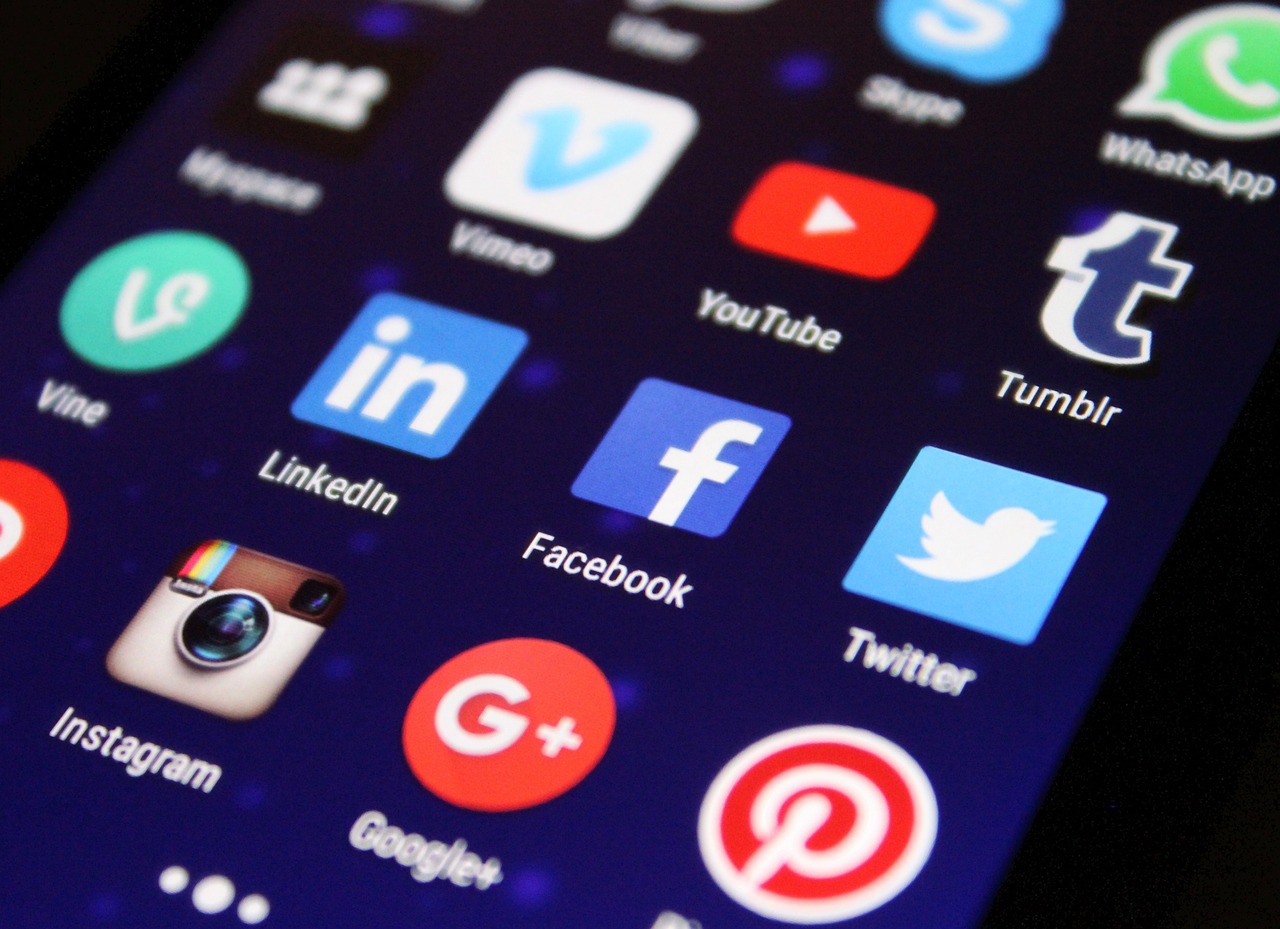
Social media platforms have further amplified this revolution, creating virtual communities where people share ideas, experiences, and content on a massive scale. Whether it's a quick tweet, a detailed blog post, or a live stream, the Internet provides diverse channels for expression and connection, profoundly altering our social fabric and empowering individual voices like never before.
Entertainment Unleashed: Your World of Digital Delights
Our entertainment landscape has been completely transformed by the Internet, offering an unparalleled variety of options right at our fingertips. Streaming services have replaced traditional broadcast schedules, giving us on-demand access to movies, TV shows, and music whenever and wherever we choose. This shift has empowered consumers with immense control over their viewing and listening experiences.
Beyond passive consumption, the Internet is a vibrant hub for interactive entertainment, most notably online gaming. Multiplayer games connect players from around the world, fostering communities and competitive circuits. From casual mobile games to professional esports, the digital realm provides rich, immersive, and social entertainment experiences that continue to evolve at a rapid pace.
Education Transformed: Learning Beyond the Classroom
The Internet has emerged as a powerful equalizer in education, breaking down geographical barriers and democratizing access to knowledge. Online courses, massive open online courses (MOOCs), and digital libraries now offer learning opportunities to anyone with an internet connection, regardless of their location or socioeconomic status. This has opened doors to lifelong learning and skill development for millions globally.
Furthermore, the Internet has enriched traditional classroom settings by providing educators and students with an endless repository of resources. Research materials, educational videos, interactive simulations, and collaborative tools are readily available, making learning more dynamic, engaging, and personalized. It fosters a culture of inquiry and self-directed learning, preparing students for a digitally fluent future.
For businesses of all sizes, the Internet has been a game-changer, fundamentally reshaping commerce and operations. E-commerce platforms allow companies to reach a global customer base without the need for physical storefronts, creating unprecedented market opportunities and reducing overhead costs. Online advertising and digital marketing strategies have become essential for brand visibility and customer engagement.
Beyond direct sales, the Internet facilitates efficient business operations through cloud computing, remote work capabilities, and collaborative tools. Supply chains are optimized, communication among teams is streamlined, and data analytics provide crucial insights for strategic decision-making. The digital economy is a thriving ecosystem, constantly innovating and expanding thanks to the foundational power of the Internet.

Navigating the Digital Landscape: Opportunities and Challenges
While the Internet offers incredible opportunities, it also presents a unique set of challenges that users must navigate responsibly.
- Information Overload and Misinformation: The sheer volume of information available requires critical thinking to discern credible sources from misinformation.
- Cybersecurity Threats: Phishing, malware, and data breaches necessitate strong digital hygiene practices like using robust passwords and being wary of suspicious links.
- Digital Privacy: Issues like digital privacy and the ethical use of personal data are ongoing concerns. Understanding how our data is collected, used, and protected is crucial in the digital age.
By staying informed and adopting proactive security measures, individuals can maximize the benefits of the Internet while mitigating its inherent risks, ensuring a safer and more productive online experience.
The Future of the Internet: What's Next?
The evolution of the Internet is a continuous journey, with exciting developments on the horizon.
- Emerging Technologies: Artificial intelligence (AI) and blockchain are poised to integrate more deeply with the Internet, offering new possibilities for personalized experiences, enhanced security, and decentralized systems.
Frequently Asked Questions
Q1: What is the difference between the Internet and the World Wide Web?
A1: The Internet is the global network of computer networks that enables data transmission. The World Wide Web (often called "the Web") is a system of interconnected documents and other web resources, accessed via the Internet using protocols like HTTP. Think of the Internet as the infrastructure, and the Web as one of the many services that run on it.
Q2: Is the Internet owned by anyone?
A2: No single entity owns the entire Internet. It's a decentralized network. Various organizations, corporations, governments, and individuals own different parts of the infrastructure, such as cables, servers, and routers. Governance is typically managed by a collaborative effort of international organizations and stakeholders.
Q3: How does data travel across the Internet?
A3: Data is broken down into small packets, each containing a destination address. These packets travel across various routers and networks, finding the most efficient path to their destination. Once all packets arrive, they are reassembled to form the original data. This process is incredibly fast, often taking milliseconds.
Q4: What is an IP address?
A4: An IP (Internet Protocol) address is a unique numerical label assigned to every device connected to a computer network that uses the Internet Protocol for communication. It serves two main functions: host or network interface identification and location addressing. It's how devices find each other on the network.
Key Takeaways
- The Internet is a global network of interconnected computer networks that facilitates data exchange and communication worldwide.
- It has fundamentally transformed communication, enabling instant global connections through various digital platforms.
- Entertainment options have exploded, with streaming services and online gaming offering unprecedented access and interactive experiences.
- Education has become more accessible and dynamic, breaking down barriers and providing vast learning resources to a global audience.
- Businesses leverage the Internet for e-commerce, global reach, operational efficiency, and innovative marketing strategies.
- Navigating the Internet requires awareness of opportunities and challenges, including cybersecurity and digital privacy.
- The future promises an even more connected and intelligent Internet, driven by advancements like 5G, IoT, AI, and blockchain.



 Alex Martun


 Alex Martun