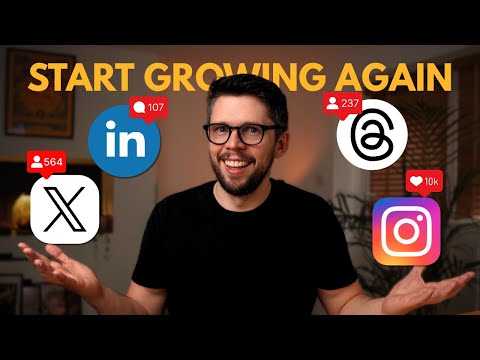
Content creation is more than just posting updates online; it is a strategic process of generating ideas and producing material that resonates with your audience. Whether you are using blogs, videos, or social media, your content serves as the primary voice of your brand.
By consistently delivering valuable insights, you establish your brand as a trusted authority. This approach not only builds meaningful relationships with potential customers but also improves your visibility across search engines and social platforms.
Content creation is the process of generating topic ideas that appeal to your specific audience and producing written, visual, or audio material around those themes. It is the backbone of modern digital marketing, acting as the primary way brands communicate their values, expertise, and personality to the world.
By consistently sharing valuable information, you establish your brand as an authority in your industry. This process helps build trust with potential customers, moving them closer to a purchase decision while simultaneously improving your visibility across search engines and social platforms.
Defining Your Target Audience
Before you create a single piece of content, you must identify who you are speaking to. Understanding your audience involves researching their pain points, interests, and the platforms where they spend most of their time online.
When you create content tailored to a specific group, your message resonates more deeply. Instead of trying to appeal to everyone, focus on solving problems for a well-defined segment of the market. This approach leads to higher engagement rates and a more loyal community.
Choosing the Right Platforms
Not every platform is suitable for every brand. Whether you focus on long-form blog posts, short-form videos, or professional networking sites depends on where your target audience is most active and how your content type aligns with those spaces.
Selecting the right channels allows you to allocate your resources efficiently. For instance, a visual brand might thrive on Instagram or Pinterest, while a B2B service provider might find more success with LinkedIn articles and industry whitepapers.
Crafting High-Quality Written Content
Written content remains a cornerstone of digital strategy because it provides depth and helps with search engine optimization. Whether you are writing blog posts, newsletters, or website copy, focus on providing clear value, actionable advice, and a unique perspective.
Structure your writing to make it readable by utilizing:
Clear, descriptive headers
Bullet points for quick scanning
Short, punchy paragraphs
High-quality writing is not just about grammar; it is about addressing the reader's needs directly and keeping them engaged from the first sentence to the final call to action.
The Power of Video Marketing
Video content has become one of the most effective ways to capture attention in a crowded digital landscape. From quick tutorials to behind-the-scenes glimpses, video allows you to showcase the human side of your brand and build a more personal connection with your viewers.
You do not need an expensive studio to get started. Many successful brands use smartphones to create authentic, relatable content that performs well on social media. The key is to prioritize clear audio and a compelling story over high-end production value.
Leveraging Social Media Channels
Social media is where your content meets the conversation. Rather than using these channels solely for broadcasting, use them to foster community by responding to comments, participating in discussions, and sharing user-generated content.
Each platform has its own rhythm and best practices. Experiment with different formats, such as polls, stories, or live sessions, to see what sparks the most interaction. Staying active on these platforms keeps your brand top-of-mind and provides direct insights into what your audience enjoys.
Measuring Your Success
To understand if your efforts are paying off, you must track key performance indicators. Metrics like website traffic, engagement rates, click-through rates, and conversion data tell the story of how your content is impacting your business goals.
Use analytics tools to review which pieces of content performed best and why. This data-driven approach allows you to refine your strategy over time, doubling down on what works and adjusting or abandoning tactics that do not provide a return on your investment.
Consistency and Long-Term Growth
Content creation is a marathon, not a sprint. Establishing a content calendar helps you maintain a steady output, which is essential for building an audience and satisfying search engine algorithms that favor fresh, relevant material.
While it is tempting to chase viral trends, sustainable growth comes from long-term commitment. By showing up consistently with high-quality work, you demonstrate reliability and keep your brand relevant in the minds of your customers for years to come.
Frequently Asked Questions
How often should I post new content?
The frequency matters less than consistency. Start with a schedule you can maintain realistically, whether that is once a week or three times a week, and focus on delivering high value every time.
Do I need expensive equipment for content creation?
No. Start with the tools you have. Most smartphones have excellent cameras, and there are many free editing apps available that can help you produce professional-looking videos and images.
How do I come up with new content ideas?
Look at your customer support questions, industry news, and competitor performance. Tools like search trend reports and social media listening can also provide great inspiration for what your audience wants to learn next.
Key Takeaways
Establish Authority: Content creation is essential for building brand authority and fostering trust with your audience.
Know Your Audience: Success begins with clearly defining your target market and choosing platforms where they are most active.
Prioritize Value: Focus on quality and utility in your writing and videos to ensure your audience finds your material helpful.
Track and Adjust: Use analytics to measure results, and remain consistent to drive long-term engagement and growth.

 Alex Martun





 Alex Martun