How to Create the Perfect Bio Link Page: Your Ultimate Guide to Boosting Engagement
Have you ever wondered how your favorite creators and brands manage to share so many links from just one spot on their social media? The secret lies in a powerful little tool known as a bio link page! In today's fast-paced digital world, mastering your "link in bio" is no longer optional – it's essential for anyone looking to truly connect with their audience, drive traffic, and simplify online navigation. This comprehensive guide will walk you through everything you need to know about creating a bio link page that converts casual scrollers into engaged followers and customers.
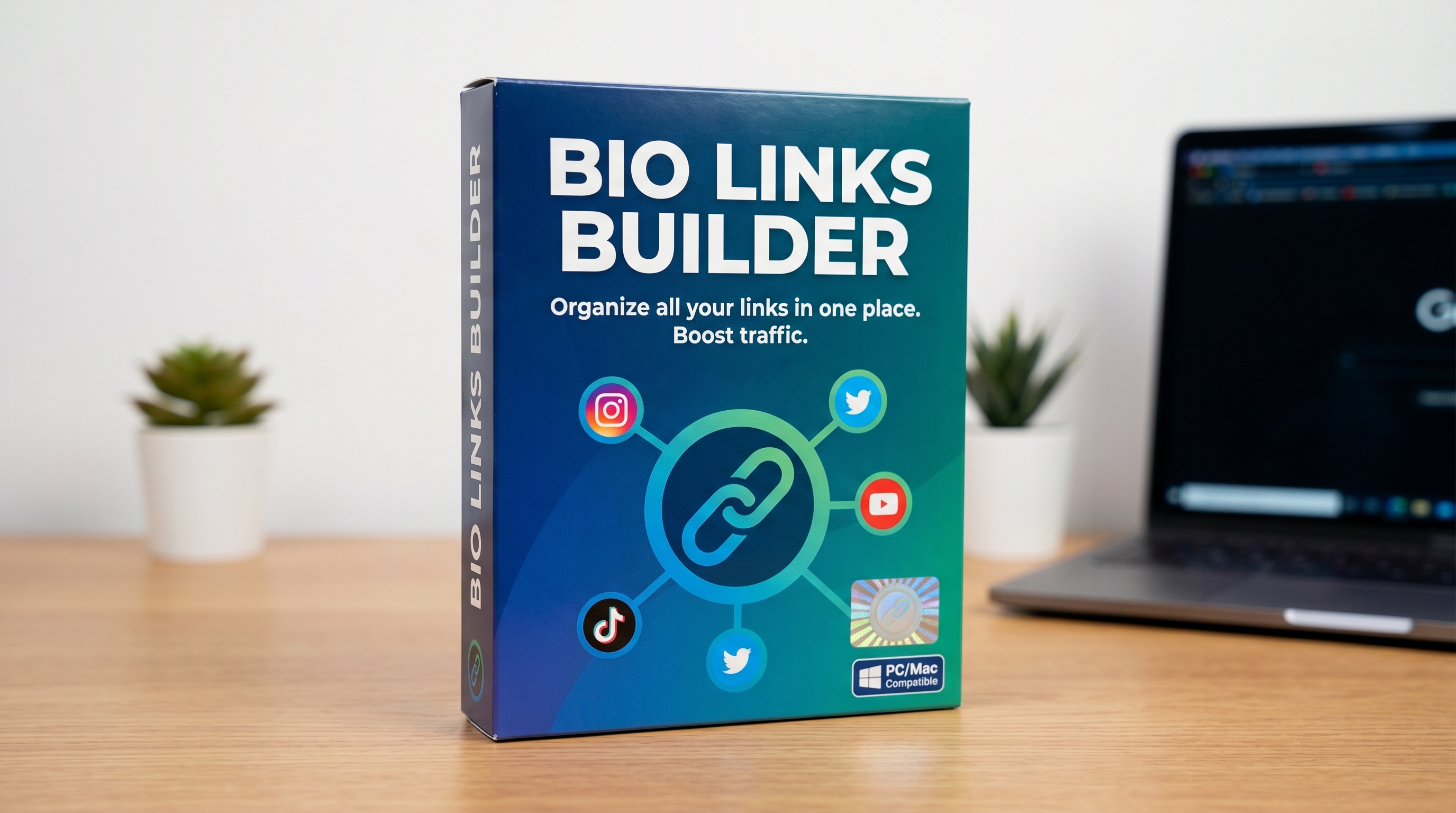
Have you ever scrolled through your favorite influencer's Instagram or TikTok profile, spotted "Link in Bio" in a caption, and wondered where it would lead? Chances are, you landed on a beautifully curated page packed with multiple clickable links. This, my friends, is a bio link page, also often called a link in bio page, bio site, or mini-landing page. It's a game-changer for anyone looking to make the most of that single, precious clickable URL allowed on most social media platforms.
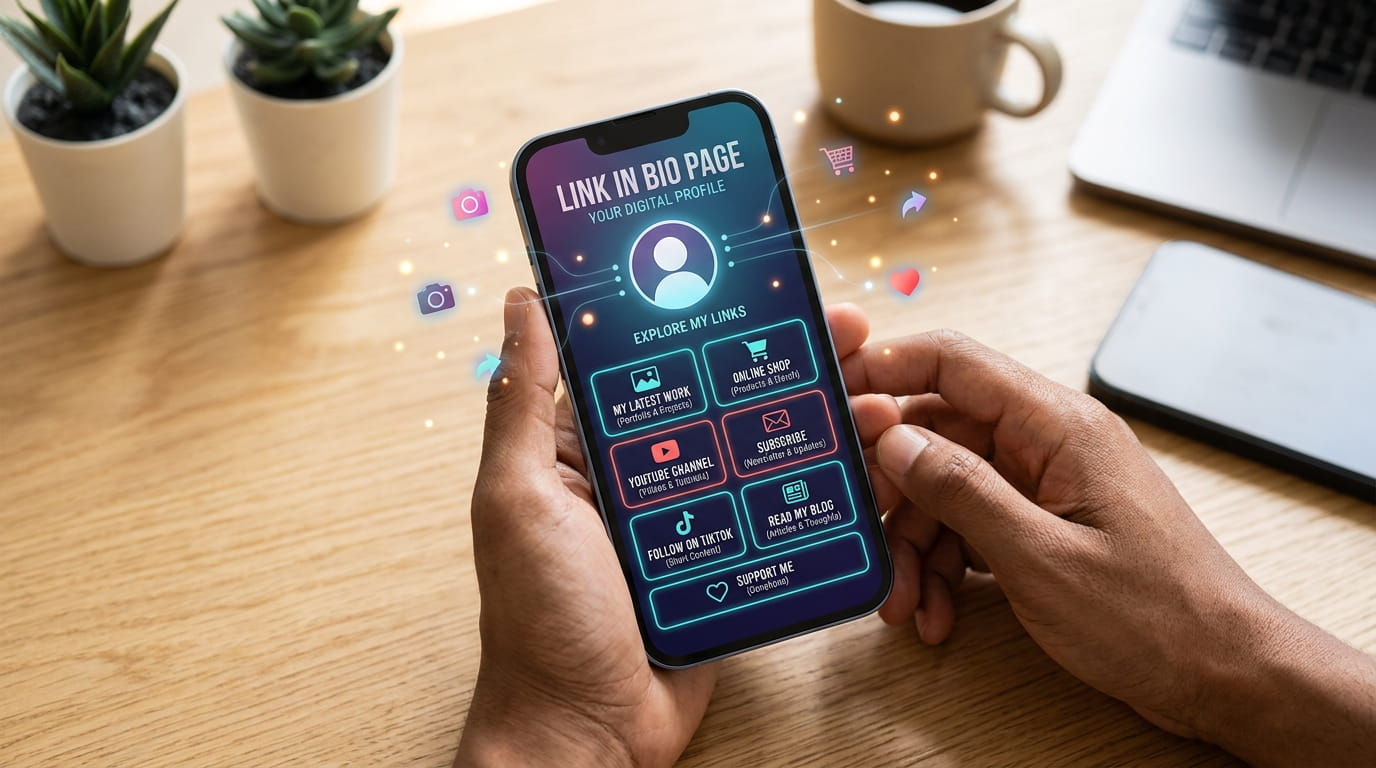
In essence, a bio link page acts as your personal digital hub, a centralized spot where you can direct your audience from social media to all the important places online. Instead of constantly swapping out a single link in your profile every time you have something new to promote – be it a blog post, a new product, or an upcoming event – you simply link to your bio link page. This page then houses all your crucial links, making it incredibly easy for your followers to find exactly what they're looking for.
Imagine your social media profile as the front door to your online presence. Without a bio link tool, you can only point people to one specific room inside. But with a bio link page, you're essentially providing a helpful directory, guiding visitors to the living room (your blog), the kitchen (your online shop), or even the backyard (your latest YouTube video). It streamlines the user experience and ensures that your audience can explore your offerings effortlessly.
This simple yet powerful solution has become indispensable for creators, entrepreneurs, small businesses, and anyone looking to enhance their online presence and simplify audience navigation. It transforms that limited single link into a dynamic gateway, turning casual scrollers into engaged followers, subscribers, or even paying customers.
2. The Evolution of the "Link in Bio"
The concept of "link in bio" arose out of necessity, primarily due to the limitations imposed by social media platforms like Instagram and TikTok, which historically only allowed one clickable link in a user's profile bio. Creators and businesses quickly realized they needed a workaround to share multiple important links without constantly updating their profile. This led to the widespread use of the phrase "link in bio" in captions, prompting followers to visit the profile for the advertised link.
Initially, many people would simply change their single bio link manually, which was a cumbersome and inefficient process. If they promoted a new blog post one day and a product launch the next, they'd have to edit their profile link each time. This "one-link-at-a-time" approach often meant that valuable content or offers were missed, or worse, followers encountered outdated or broken links.
This challenge spurred the development of dedicated bio link tools. These platforms offered a solution by allowing users to create a single, customizable landing page hosted on their service, which then housed an unlimited (or generous) number of links. The evolution saw these tools move beyond mere link aggregators to become powerful micro-sites, offering branding, analytics, and even direct monetization features.
Even with platforms like Instagram now allowing up to five links directly in the bio, dedicated link-in-bio tools remain highly relevant and continue to evolve. They offer a more cohesive, branded, and feature-rich experience that native platform solutions can't always match. The "link in bio" has truly transformed from a simple hack into a strategic component of a comprehensive digital marketing strategy.
3. Key Benefits of Using a Bio Link Tool
Utilizing a dedicated bio link tool offers a plethora of advantages that can significantly boost your online presence and help you achieve your digital goals. It's more than just a convenience; it's a strategic asset for growth.
First and foremost, a bio link tool saves you invaluable time and effort. Instead of the constant hassle of updating a single link in your social media profiles, you can manage all your important links from one centralized dashboard. This means less time spent on administrative tasks and more time creating great content or engaging with your audience.
Secondly, these tools dramatically improve your audience's experience. With a single, organized page, your followers can easily navigate to your various offerings – your website, latest products, blog, podcast, other social profiles, or even a lead magnet. This reduces friction, making it simpler and faster for them to find what they're interested in, which ultimately leads to higher engagement and satisfaction.
Another significant benefit is the ability to track performance and gain valuable insights. Most bio link tools come with built-in analytics that show you how many people are clicking on your links, which links are performing best, and where your audience is coming from. This data is crucial for understanding what resonates with your audience and for making informed decisions to refine your content strategy and boost conversions.
Finally, a bio link tool helps you maintain a professional and branded online presence. You can customize your bio link page to match your brand's aesthetic, using your colors, fonts, and logos. This consistency builds trust and reinforces your brand identity, making your profile look polished and cohesive, even across different social platforms.
With so many bio link tools available, selecting the perfect one can feel a bit overwhelming. The "right" tool really depends on your specific needs, budget, and the features that matter most to your brand or business.
One of the most popular and widely recognized tools is Linktree. It's known for its ease of use and quick setup, making it an excellent choice for beginners who need a straightforward way to organize multiple links. While its free plan offers basic functionality, paid tiers unlock more customization and analytics.
If monetization is a key focus, tools like Beacons.ai are highly recommended. Beacons combines link-in-bio pages with robust e-commerce capabilities, media kits, and even AI-assisted sponsor discovery, making it ideal for creators looking to sell products, services, or manage brand partnerships directly from their page.
For those who prioritize visual content and shoppable feeds, platforms like Later's Linkin.bio or Feedlink are great options. Linkin.bio, for instance, allows you to create a clickable Instagram-style grid where followers can shop products directly from the posts they see. Feedlink solves a similar problem by letting you embed your Instagram and TikTok feeds and add clickable links to each post.
Other notable tools include Metricool's SmartLinks, Campsite, Milkshake, Direct.me, Hopp, Squarespace Bio Sites, elink, and Replug, each offering a unique set of features from advanced analytics and custom domains to deeper e-commerce integrations or mini-website builders. Many even allow you to build your bio link page directly on your own website, which can be great for SEO and full branding control.
When making your choice, consider these factors:
Ease of use and setup.
Customization options to match your brand.
Analytics and tracking capabilities.
Integration with other marketing tools (e.g., email marketing, e-commerce platforms).
Pricing plans and whether a free tier meets your needs.
Specific features that align with your primary goals (e.g., selling products, collecting emails, showcasing a portfolio).
5. Designing Your Perfect Bio Link Page: Aesthetics and Branding
Your bio link page is often the first impression a curious follower gets of your wider online world, so making it visually appealing and consistent with your brand is absolutely crucial. Think of it as an extension of your social media profile, not a separate, unrelated entity. A well-designed page immediately builds trust and encourages further exploration.
Start with your brand's visual identity. This means using your established color palette, fonts, and logos. Many bio link tools offer extensive customization options, allowing you to choose background colors, button styles, and text fonts. A page that looks generic or doesn't match your main social feed can create a disconnect and deter visitors.
Keep the design clean, uncluttered, and easy to scan. People arriving from social media often have short attention spans and are likely viewing on a mobile device. Avoid overwhelming them with too many links or busy graphics. A minimalist layout with clear, tappable buttons is usually most effective. Whitespace is your friend, creating a professional and polished feel.
Incorporating visuals can significantly boost engagement. Hyperlinked images, where the image itself is clickable, can drive more clicks than plain text links. Even better, embedding videos can transform your static page into a dynamic, engaging experience, with research showing that video blocks can account for a significant percentage of clicks. Whether it's a short intro video or a preview of your latest content, moving elements capture attention.
Always prioritize mobile optimization. Since the vast majority of social media traffic comes from phones, your bio link page must load quickly and look fantastic on smaller screens. Test your page thoroughly on different mobile devices to ensure a seamless and enjoyable user experience.
6. What to Include on Your Bio Link Page: Content Strategy
The content you place on your bio link page should be strategic, guiding your audience to the most important actions and information. It's not just a dumping ground for every link you have; it's a curated pathway to your goals. The key is to prioritize and present your links in a way that makes sense for your audience and your current objectives.
Consider what your primary goal is for your social media audience. Do you want them to buy a product, sign up for your newsletter, or watch your latest video? Your "main thing" should be prominently displayed, often as the first link or with a more visually striking button. Research suggests limiting options to 5-8 essential links to avoid overwhelming visitors.
Here are some common and effective types of content to include:
Your Website/Blog: A direct link to your homepage or most recent blog posts.
Products or Services: Link directly to your online shop, specific product pages, or a service booking page.
Lead Magnets/Freebies: Offer a valuable download, webinar, or free resource to capture email addresses and grow your list.
Other Social Profiles: Guide followers to your presence on YouTube, Pinterest, LinkedIn, or other platforms where you create content.
Portfolio/Case Studies: Showcase your best work, especially if you're a creative, freelancer, or service provider.
Contact Information: Make it easy for potential clients or collaborators to reach you.
Events/Webinars: Promote upcoming events, workshops, or live sessions.
Testimonials/Reviews: Build trust by featuring social proof or positive feedback from clients or customers.
Regularly audit and update your links to ensure they are current and relevant to your latest promotions or content. An outdated bio link page can lead to missed opportunities and a poor user experience.
7. Optimizing Your Bio Link Page for Conversions
Creating a beautiful bio link page is a great start, but the real magic happens when you optimize it to drive actual conversions – whether that's a sale, a newsletter signup, or a follow on another platform. This requires a focus on user experience and clear calls to action.
First, employ clear and compelling Calls-to-Action (CTAs). Generic phrases like "Click Here" or "Learn More" are often ineffective. Instead, use action-oriented language that highlights the benefit to the user. For example, instead of "Website," try "Shop Our New Collection" or "Download Your Free Guide." Each button should clearly communicate what a user can expect upon clicking.
Reduce friction in the user journey as much as possible. Every extra click can lead to a drop-off in conversions. If you're selling a digital product, consider tools that allow native embedding of checkout processes directly on your bio page. This means users can complete a purchase without ever leaving your bio link hub, shortening the path from interest to action.
Leverage social proof to build trust and encourage action. People are more likely to convert if they see that others have had positive experiences. This can include:
Short testimonials or glowing reviews.
Star ratings (if applicable).
"As seen in" logos for press mentions.
User-generated content (UGC) photos or screenshots.
Finally, don't be afraid to A/B test different elements of your bio link page. Experiment with different CTAs, button colors, link order, or even featured images to see what resonates most with your audience and drives the highest conversion rates. Regularly review your analytics to understand what's working and iterate on your design and content.
8. Tracking and Analytics: Measuring Your Success
A beautiful and well-organized bio link page is fantastic, but how do you know if it's actually working? This is where tracking and analytics come into play. Understanding your page's performance is crucial for making data-driven decisions and continually optimizing your strategy.
Most reputable bio link tools offer built-in analytics dashboards that provide valuable insights into how users interact with your links. These analytics can show you a range of metrics, helping you understand your audience's behavior. Key metrics to monitor include:
Total Clicks: The overall number of times your links have been clicked.
Click-Through Rate (CTR): The percentage of visitors who click on a link after viewing your bio link page. A strong CTR typically falls between 1-5%, though this can vary by industry.
Traffic Sources: Where your visitors are coming from (e.g., Instagram, TikTok, YouTube, email). This helps you understand which platforms are driving the most engaged audience.
Clicks Per Button/Link: Knowing which specific links are most popular allows you to prioritize content and understand audience interests.
To gain even deeper insights, consider integrating your bio link tool with external analytics platforms like Google Analytics. Many tools allow you to add UTM parameters to your links, enabling detailed tracking of campaign performance, conversions, and even audience demographics within Google Analytics. This provides a comprehensive view of your traffic beyond what your bio link tool alone might offer.
Regularly review your analytics – weekly or monthly is a good cadence. Look for trends, identify your top-performing links, and pinpoint any underperforming content. This data allows you to refine your content strategy, rearrange your links, and optimize your calls-to-action for even better results. Remember, your bio link page is a dynamic asset that should evolve based on what your data tells you.
9. Advanced Tips and Tricks for Bio Link Mastery
Once you've got the basics down, there are several advanced strategies you can implement to truly master your bio link page and maximize its potential. These tips can help you stand out and drive even stronger results.
Consider "native embedding" for certain content. While directing users to external sites is common, some advanced bio link tools allow you to embed content directly onto your page. For example, if you have a podcast, some tools let users play episodes right there on your bio page, eliminating the need for them to leave the current app. This reduces friction and keeps your audience engaged within your ecosystem.
Leverage interactive content to boost engagement. The future of bio link tools leans towards more dynamic and engaging experiences. Think beyond static links. Some tools allow for interactive quizzes, surveys, or even mini-games that can capture attention and gather valuable audience data. This transforms your page from a simple list into a truly interactive hub.
Think about segmenting your audience and creating platform-specific bio link pages. While one universal page is convenient, a more advanced approach involves tailoring your bio link page for different social platforms. For example, what resonates with a TikTok audience might be different from what your LinkedIn connections expect. Some tools allow you to customize pages for different networks, ensuring your content is always relevant to where your audience is coming from.
Finally, don't overlook the power of A/B testing beyond just CTAs. Experiment with different page layouts, featured images, the inclusion of video, or even the order of your sections. Continuously testing and iterating based on your analytics will ensure your bio link page remains a high-performing asset that evolves with your audience's preferences and your changing business goals.
10. Common Mistakes to Avoid
Even with the best intentions, it's easy to fall into common traps when creating and managing your bio link page. Avoiding these pitfalls can significantly improve your page's effectiveness and maintain your credibility.
One of the most frustrating mistakes for users is broken or outdated links. Nothing sours a user's experience faster than clicking a link only to find a 404 error or content that's no longer relevant. Regularly check all your links (weekly or monthly) and remove or update any that are no longer active or pertinent.
Another common error is an overcrowded or confusing layout. While it's tempting to include every link you can think of, stuffing too many options onto one page can overwhelm your visitors, making it difficult for them to decide what to click. Stick to a curated selection of 5-8 essential links, prioritizing your most important calls-to-action at the top of the page.
Vague or generic Calls-to-Action (CTAs) are another pitfall. Buttons that say "Click Here" or "More Info" don't provide any incentive or context. Be specific and action-oriented, letting your audience know exactly what they'll gain by clicking, such as "Shop New Arrivals" or "Sign Up for My Newsletter."
Ignoring your analytics is a significant missed opportunity. Setting up a bio link page and then forgetting to track its performance means you're flying blind. You won't know which content resonates, where your traffic comes from, or how to optimize for better results. Make sure to regularly check your link analytics and use that data to make informed adjustments.
Finally, a "set it and forget it" mentality is detrimental. Your content, offers, and priorities will change over time, and your bio link page needs to evolve with them. Keep your page fresh by rotating content, highlighting new promotions, and updating your branding as needed.
11. Future Trends in Bio Link Pages
The landscape of social media and online engagement is constantly evolving, and bio link tools are no exception. Looking ahead, we can anticipate several exciting trends that will shape the future of these essential digital hubs.
One major trend is the move towards increasingly personalized and dynamic user experiences. As AI and machine learning become more sophisticated, bio link tools may offer even more tailored content delivery, showing visitors links most relevant to their interests or past interactions. This level of customization will enhance engagement and drive higher conversion rates.
Enhanced e-commerce integration is another key area of growth. Bio link pages are already functioning as "mini storefronts," but future tools will likely offer even more seamless direct selling capabilities, including integrated checkout processes, inventory management, and personalized product recommendations directly on the page. This transforms them from simple link aggregators into powerful sales tools.
Interactive and engaging content will continue to be a focus. Expect to see more features that allow for dynamic media, polls, quizzes, and even augmented reality (AR) experiences directly within the bio link page. This aims to keep users on the page longer and provide a richer, more immersive brand experience that goes beyond a static list of links.
Finally, bio link tools are evolving into full-fledged "creator platforms." They will integrate more deeply with various aspects of a creator's workflow, including email marketing, scheduling, detailed analytics, and even media kits for brand partnerships. This holistic approach aims to provide creators and businesses with a centralized hub for managing their entire online presence, not just their links.
Key Takeaways
Creating the perfect bio link page is about strategically transforming that single social media link into a powerful, multi-purpose hub. Here's a quick recap of the most important points to remember:
Bio link pages are essential for centralizing all your important online destinations, overcoming the single-link limitation of social platforms, and streamlining audience navigation.
These tools save time, improve user experience, and provide crucial analytics for optimizing your online strategy.
Choose a tool that aligns with your specific goals, whether it's simple link aggregation (like Linktree), monetization (like Beacons), or visual commerce (like Linkin.bio).
Design your page to be clean, mobile-friendly, and branded with your colors, fonts, and logo to build trust and ensure a cohesive user experience.
Prioritize your links, placing your "main thing" at the top, and include a mix of essential content like your website, products, lead magnets, and other social profiles.
Optimize for conversions with clear, action-oriented calls-to-action, reduce friction with native embedding where possible, and leverage social proof like testimonials.
Regularly track your performance using built-in analytics and external tools like Google Analytics to understand click-through rates, traffic sources, and popular links.
Avoid common mistakes such as broken links, cluttered layouts, vague CTAs, inconsistent branding, outdated content, and neglecting your analytics.
Look forward to future trends like personalized experiences, deeper e-commerce integration, and more interactive content.
By thoughtfully creating and maintaining your bio link page, you're not just sharing links; you're building a more engaging, efficient, and professional pathway for your audience to connect with everything you have to offer.
Q1: What does "link in bio" actually mean?
A1: "Link in bio" refers to the single clickable URL found in the profile section of most social media platforms like Instagram and TikTok. Because these platforms limit where you can place clickable links, creators and businesses use this one spot to direct their audience to a specialized landing page (the bio link page) that houses multiple important links.
Q2: Why do I need a bio link page if Instagram now allows up to five links?
A2: While Instagram does allow multiple links, a dedicated bio link page still offers significant advantages. It provides a more branded, customizable, and visually appealing hub than native platform links. These tools also offer advanced analytics, deeper e-commerce integrations, and cross-platform consistency that native options often lack. Creators report higher sales and better user experience with dedicated tools.
Q3: What should I include on my bio link page?
A3: You should include links that are most relevant to your current goals and audience. Common inclusions are links to your website, online shop, latest blog posts or videos, lead magnets (free downloads), other social media profiles, booking pages, and testimonials. Prioritize your most important links at the top.
Q4: How often should I update my bio link page?
A4: You should update your bio link page regularly to keep it fresh and relevant. This means refreshing links for new content, promotions, or seasonal campaigns, and removing any outdated or broken links. A monthly audit is a good practice, or whenever you have a new major announcement.
Q5: Can I track clicks on my bio link page?
A5: Yes, most bio link tools come with built-in analytics that allow you to track total clicks, click-through rates, and even which specific links are most popular. You can often integrate with Google Analytics using UTM parameters for more in-depth tracking.
Q6: Are bio link tools expensive?
A6: Many popular bio link tools offer free plans with basic features (e.g., Linktree, Beacons.ai, Campsite). These free tiers are a great way to start. Paid plans typically unlock more advanced customization options, deeper analytics, integrations, and branding features like removing the tool's logo or using a custom domain.

 Alex Martun


 Alex Martun