Hello there, aspiring social media superstar! Are you ready to unlock the incredible potential that social media holds for your business? In today's digital world, having a strong social media presence isn't just a nice-to-have; it's a fundamental pillar of any successful digital marketing campaign. It's where you connect with your audience, build your brand, and ultimately, drive growth. This guide is designed to walk you through the essentials, offering friendly, knowledgeable, and conversational advice to help you navigate the exciting landscape of social media.
Imagine your business thriving, attracting new customers, and fostering deep connections, all through the power of online engagement. That's the dream, right? Well, it's totally achievable with the right approach to social media. We're going to break down everything you need to know, from crafting your strategy to understanding analytics and avoiding common pitfalls. So, let's embark on this journey together and make your social media efforts truly shine!
Table of Contents:
Introduction: Your Journey to Social Media Success
Why Social Media is a Game-Changer for Businesses
Finding Your Tribe: Defining Your Audience and Goals
Picking Your Playground: Choosing the Right Social Media Platforms
The Art of Content Creation: What to Post and How
Building Bridges: Engaging with Your Audience and Community
Boosting Your Reach: The Basics of Social Media Advertising
Knowing Your Impact: Measuring Social Media Success with Analytics
Your Social Media Toolkit: Essential Management Tools
Navigating the Minefield: Common Social Media Mistakes to Avoid
Crystal Ball Gazing: Emerging Social Media Trends to Watch
Key Takeaways
Frequently Asked Questions (FAQ)
1. Introduction: Your Journey to Social Media Success
Welcome to the ultimate beginner's guide to achieving social media success for your business! In an increasingly digital world, social media has transformed from a mere trend into an indispensable tool for marketing, customer engagement, and brand building. Whether you're a small startup or an established enterprise, mastering social media can open up a world of opportunities, allowing you to connect directly with billions of people worldwide.
This guide is crafted specifically for you, the beginner, aiming to demystify social media marketing and provide a clear, actionable roadmap. We'll explore how these powerful platforms can amplify your digital marketing campaigns, helping you not only attract but also retain customers through authentic and meaningful online interactions. Think of us as your friendly mentors, guiding you every step of the way.
We understand that diving into social media can feel a bit overwhelming at first, with so many platforms, features, and strategies to consider. That's perfectly normal! Our goal is to break down complex concepts into easy-to-understand sections, providing you with the confidence and knowledge to build a robust social media presence that truly drives results for your business.
By the end of this article, you'll have a solid foundation for developing and executing a successful social media strategy. You'll learn how to leverage social media to increase brand awareness, drive website traffic, generate leads, and ultimately, boost sales, all while fostering a loyal community around your brand. Let's get started on transforming your online presence!
2. Why Social Media is a Game-Changer for Businesses
Social media marketing isn't just an option anymore; it's a necessity for any business looking to thrive in the modern landscape. The sheer scale of social media users is astounding, with billions of people globally spending an average of over two hours daily on various platforms. This presents an unparalleled opportunity for your business to reach a vast audience and establish a direct line of communication with potential and existing customers.
One of the most significant benefits of social media is its ability to dramatically increase brand awareness and recognition. By consistently sharing valuable content and engaging with your audience, your brand becomes more visible and memorable. Every like, share, and comment places your content in front of new potential customers, expanding your reach organically and helping your brand stay top-of-mind.
Beyond visibility, social media allows you to humanize your brand and build authentic connections. Unlike traditional advertising, social platforms facilitate two-way conversations, enabling you to interact directly with your audience, respond to feedback, and showcase your brand's personality and values. This authenticity fosters trust and loyalty, which are invaluable assets in today's competitive market.
Furthermore, social media serves as a powerful engine for driving website traffic, generating leads, and boosting sales. You can strategically direct followers to your website, promote products or services, and even facilitate direct purchases through features like social commerce. Moreover, the rich data available from social media analytics provides invaluable insights into customer behavior and preferences, allowing you to make smarter business decisions and refine your marketing strategy.
3. Finding Your Tribe: Defining Your Audience and Goals
Before you even think about posting, the first crucial step to social media success is clearly defining who you want to reach and what you want to achieve. Think of it like mapping out a journey: you need to know your destination and who you're traveling with. This foundational work will guide every decision you make on social media.
Start by identifying your target audience. Who is your ideal customer? Consider demographics such as age, gender, location, and income. Beyond that, delve into their interests, pain points, online habits, and what kind of content they typically engage with. The better you understand your audience, the more effectively you can create content that truly resonates with them and cuts through the noise.
Next, set clear and measurable goals for your social media efforts. These shouldn't just be "get more likes." Instead, use the SMART framework: Specific, Measurable, Achievable, Relevant, and Time-bound. Do you want to increase brand awareness by 20% in the next six months? Drive 50 new leads per month from social media? Boost website traffic by 15%? Having specific goals will help you track your progress and determine the true return on your investment.
Your goals should always align with your overall business objectives. For instance, if your business aims to improve customer service, a social media goal might be to respond to all customer inquiries on social platforms within two hours. If lead generation is a priority, your social media strategy should focus on campaigns that encourage sign-ups or purchases.
By clearly defining your audience and setting precise goals, you're laying a strong foundation for a social media strategy that is not only purposeful but also poised for real business impact. This initial planning will save you time and resources in the long run, ensuring that every post and campaign is working towards a meaningful outcome.
4. Picking Your Playground: Choosing the Right Social Media Platforms
With so many social media platforms available, it can feel daunting to decide where your business should focus its energy. The key isn't to be everywhere, but to be strategically present where your target audience spends their time and where your content can thrive. Trying to manage too many platforms with limited resources can lead to an inconsistent or weak online presence, which can be worse than no presence at all.
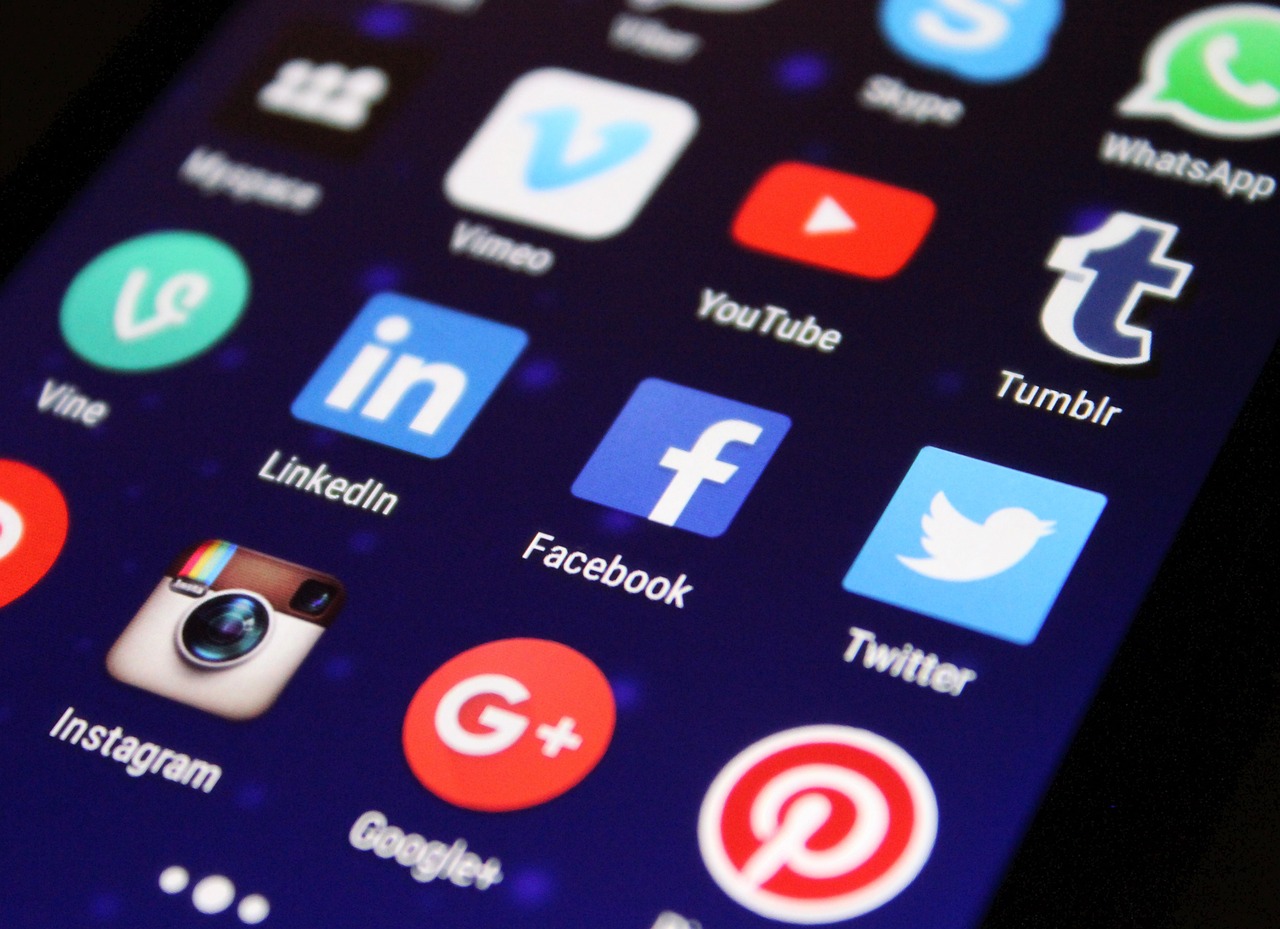
Your choice of platforms should be heavily influenced by your audience demographics. Different platforms attract different age groups, interests, and professional backgrounds. For example, if your business targets Gen Z, platforms like TikTok and Instagram might be your best bet due to their younger user base and emphasis on visual content. For B2B businesses looking to connect with professionals, LinkedIn remains the gold standard. Facebook, with its vast and diverse user base, is often a good platform for community building across various demographics.
Consider your content capabilities and the type of content you enjoy creating. If your strength lies in stunning visuals and photography, Instagram or Pinterest would be ideal. If you're great at producing engaging short-form videos, TikTok and Instagram Reels are powerful channels. For longer articles, thought leadership, or industry insights, LinkedIn can be highly effective. Aligning your content strengths with platform capabilities ensures you can consistently produce high-quality material.
It's also essential to evaluate your internal resources and budget. Managing multiple social media accounts effectively requires time, effort, and potentially a dedicated team. It’s far more effective to have a strong, engaging presence on one or two carefully chosen platforms than a diluted, inconsistent presence across many. Be realistic about what you can manage consistently.
Finally, don't be afraid to experiment, but always back your decisions with data. Start with a few platforms that seem like the best fit based on your audience and content, then use their built-in analytics to see which ones are driving the most engagement and delivering the best results for your business. This data-driven approach will help you refine your choices over time.
5. The Art of Content Creation: What to Post and How
Once you've identified your audience and chosen your platforms, the next exciting step is creating content that truly captivates and connects. This is where your brand's personality shines, and you provide real value to your audience. Remember, social media isn't just about selling; it's about building relationships and trust.
The key to compelling content lies in a strategic blend of creativity and relevance. Your posts should align with your social media goals, whether that's increasing awareness, driving engagement, or generating sales. Think about what genuinely interests your target audience, their challenges, and their behaviors, then craft content that speaks directly to those insights. This could include educational posts, behind-the-scenes glimpses, entertaining videos, or user-generated content that celebrates your customers.
Visuals are absolutely paramount in today's social media landscape. High-quality images and videos are crucial for grabbing attention and significantly increasing the likelihood of audience interaction. Ensure your visuals are engaging, relevant to your message, and optimized for each specific platform. Short-form video, in particular, continues to dominate, with platforms like TikTok, Instagram Reels, and YouTube Shorts being top priorities for marketers.
Your captions are equally important. They should be concise, engaging, and tell a story that resonates. While the length might vary slightly by platform, aiming for headlines or captions between 10 to 20 words often yields the best engagement. Don't forget to include a clear call to action, whether it's asking a question to encourage comments or sharing a link to drive traffic to your website.
Consistency is also vital. Regularly posting high-quality content helps maintain visibility, build credibility, and keep your brand relevant in your audience's minds. Developing a content calendar can be incredibly helpful for planning and scheduling your posts across platforms, ensuring a steady and purposeful stream of engaging material. Remember, it's about quality over quantity, but a consistent presence is key to staying connected.
6. Building Bridges: Engaging with Your Audience and Community
Social media isn't a megaphone; it's a conversation. Building genuine engagement and fostering a thriving online community is fundamental to social media success. It’s about creating meaningful interactions that build trust, loyalty, and a strong connection between your brand and its audience.
One of the simplest yet most effective ways to boost engagement is by actively responding to your followers. When someone comments on your post, asks a question, or mentions your brand, take the time to reply promptly and thoughtfully. This shows that you value their input and are attentive, transforming a one-way broadcast into a two-way dialogue. In fact, responding quickly is a must; many users expect a response within 24 hours, and a lack of response can lead them to a competitor.
Ask open-ended questions in your posts to encourage participation and inspire your audience to become part of the conversation. Interactive posts like polls, quizzes, and Q&A sessions are excellent ways to foster engagement and gather valuable feedback directly from your community. People love to share their opinions and feel heard, so give them the opportunity!
Authenticity plays a huge role in building trust and connection. Let your brand's personality shine through in your interactions. Using humor, sharing behind-the-scenes content, or even admitting errors can make your brand more relatable and human. Incorporating a personal touch, such as using a follower's name or having your social media manager sign off with their name, can make interactions feel more personable.
Consider running contests or giveaways, which can be powerful tools for generating "explosive growth" and boosting engagement. You can make entry requirements simple, like following your account, liking a post, sharing it, or tagging friends, which helps expand your reach. Encouraging user-generated content (UGC) is another fantastic strategy, as it showcases authentic brand experiences and fosters a sense of community ownership.
7. Boosting Your Reach: The Basics of Social Media Advertising
While organic reach is fantastic, social media advertising (often called paid social) offers a powerful way to significantly extend your reach and target specific audiences with precision. It's a type of digital marketing strategy that uses paid campaigns on platforms like Facebook, Instagram, LinkedIn, and TikTok to deliver targeted ads.
The beauty of social media advertising lies in its granular targeting capabilities. Because users share detailed demographic information, interests, and behaviors on these platforms, you can create highly specific audience segments for your ads. This means your ad spend is more efficient, as you're reaching people who are most likely to be interested in your products or services, rather than a broad, untargeted audience.
When setting up a social media ad campaign, you'll typically start by defining your campaign objective. These generally fall into three categories: awareness, consideration, and conversions. Awareness objectives aim to get your brand in front of as many new people as possible. Consideration objectives encourage people to interact with your business, perhaps by visiting your website. Conversion objectives drive specific actions, like making a purchase or signing up for a newsletter.
Social media ads come in various formats, including images, videos, carousels, and even immersive experiences, and are often designed to look native to the platform, making them less disruptive. They are also highly cost-effective compared to many traditional advertising channels, often offering a great return on investment.
Beyond just clicks, social media ads encourage engagement, as users can like, comment, and share them. This interaction can further amplify your message organically. Regularly analyzing the performance of your ad campaigns is crucial; it allows you to refine your targeting, adjust your bidding strategy, and optimize your creative to achieve even better results over time.
8. Knowing Your Impact: Measuring Social Media Success with Analytics
So, you're posting great content and engaging with your audience – fantastic! But how do you know if your efforts are actually paying off? This is where social media analytics come into play. Measuring your performance is absolutely essential for understanding what works, what doesn't, and how to continuously improve your strategy.
Social media metrics are data points that provide insights into audience behavior, content performance, and overall engagement. Many social media platforms offer built-in analytics tools (like Facebook Insights or Instagram Insights) that give you access to a wealth of free information. These tools allow you to track key performance indicators (KPIs) that align with your earlier defined goals.
Key metrics you should be tracking include:
Engagement: This is often considered the most important metric. It measures how much your audience is interacting with your content through likes, comments, shares, and clicks. A high engagement rate indicates that your content resonates with your audience.
Reach and Impressions: Reach is the number of unique users who saw your content, while impressions are the total number of times your content was displayed. These metrics show how widely your message is being spread and your content's visibility.
Follower Growth: While not the only metric, the increase in your audience size is an important indicator of brand awareness and reach.
Website Traffic and Conversions: This tracks how many people are clicking through from your social media posts to your website and, more importantly, completing desired actions like making a purchase or filling out a form. These metrics directly tie your social efforts to business results.
By regularly reviewing these metrics, you can make data-driven decisions to optimize your content strategy. For example, if you notice that videos consistently drive more engagement than static images, you can focus on creating more video content. It's recommended to check your performance weekly and compile a more comprehensive monthly report to compare progress and identify trends.
9. Your Social Media Toolkit: Essential Management Tools
Managing a successful social media presence, especially across multiple platforms, can quickly become a full-time job. Thankfully, there's a fantastic array of social media management tools designed to streamline your workflow, save you time, and help you get the most out of your efforts. These tools are no longer a luxury but an essential for scaling your content and maintaining consistency.
One of the primary benefits of these tools is content scheduling. Instead of manually posting throughout the day, you can plan and schedule your content weeks or even months in advance. Tools like Buffer and Hootsuite are well-known for their robust scheduling capabilities, allowing you to organize posts across various platforms from a single dashboard. This ensures a consistent posting schedule and frees up your time for other important tasks, like engaging with your audience.
Beyond scheduling, many social media management suites offer powerful analytics and reporting features. Sprout Social, Metricool, and Agorapulse, for instance, provide detailed insights into your content's performance, audience demographics, and engagement rates. This centralized data allows you to track KPIs, identify successful content types, and make informed decisions to refine your strategy, all without juggling multiple platform-specific analytics pages.
Engagement management is another crucial function. Tools like Agorapulse and Sprout Social offer unified inboxes where you can manage all replies, mentions, DMs, and reviews from various social platforms in one place. This ensures you don't miss any interactions and can respond promptly, which is vital for building customer satisfaction and community.
Finally, some tools offer advanced features like social listening, influencer identification, content ideation, and even AI assistance for caption writing and content repurposing. BuzzSumo is great for content discovery and trend analysis, while Buffer's AI assistant can help you ideate and refine captions. Choosing the right tool depends on your team's size, budget, and specific needs, but investing in one can significantly enhance your social media efficiency and effectiveness.
10. Navigating the Minefield: Common Social Media Mistakes to Avoid
Even with the best intentions, businesses can sometimes stumble into common social media pitfalls that hinder their success. Being aware of these mistakes is the first step to avoiding them and ensuring your social media strategy remains on track. Let's look at some key blunders and how to steer clear of them.
One significant mistake is operating without a clear social media strategy. Diving in without defined goals, a target audience, or a content plan often leads to inconsistent messaging, wasted effort, and poor results. A strong strategy keeps your efforts aligned with your brand values and overall marketing objectives. Take the time to plan, just like we discussed in Section 3!
Another common error is treating all social media platforms the same and simply cross-posting identical content everywhere. Each platform has its unique audience, preferred content formats, and nuances. What works brilliantly on Instagram might fall flat on LinkedIn. Tailor your content and tone to each platform to maximize its impact and avoid alienating your audience.
Being overly promotional is a huge turn-off for social media users. If every post is a sales pitch, your audience will quickly scroll past or even unfollow you. Social media is about providing value, building relationships, and entertaining. Aim for a balanced content mix that includes educational, engaging, and behind-the-scenes content, not just direct advertisements.
Ignoring or deleting negative feedback is a critical mistake that can severely damage your brand's reputation. Social media provides a public forum for customer service. Address criticisms promptly, politely, and constructively. Showing that you listen and care about resolving issues can turn a negative experience into a positive one and build trust with your wider audience.
Finally, don't focus solely on vanity metrics like follower counts without also considering engagement. While a large following can be impressive, an engaged community that actively interacts with your content is far more valuable. Prioritize creating content that sparks conversations and builds connections, and actively engage back with your community, as discussed in Section 6. Avoiding these common errors will pave a smoother path to social media success.
11. Crystal Ball Gazing: Emerging Social Media Trends to Watch
The world of social media is constantly evolving, with new trends emerging that can significantly impact your strategy. Staying informed about these shifts can give your business a competitive edge and ensure your social media efforts remain fresh and effective. Let's peek into the crystal ball and explore some key trends shaping social media in 2026 and beyond.
Video content continues its reign as king, and its influence is only growing. Short-form video formats like TikTok, Instagram Reels, and YouTube Shorts remain incredibly popular for capturing attention and connecting with audiences. However, we're also seeing a rise in serialized video content, where businesses share behind-the-scenes looks or ongoing series that build anticipation and foster deeper engagement. Brands are focusing on video that offers value and authenticity, moving beyond just chasing virality.
Artificial Intelligence (AI) is becoming an integral part of social media marketing. AI-generated content is becoming mainstream, assisting marketers with everything from ideation and caption writing to optimizing posting times and analyzing complex data. While AI can handle many basic tasks, the emphasis for brands will be on human-led storytelling and unique creative direction to stand out and build emotional resonance.
The shift towards building purposeful communities and fostering authentic connections is a major trend. Consumers are craving genuine interaction and honesty from brands. This means prioritizing proactive community management, responding quickly to inquiries, and nurturing a sense of belonging among your followers. User-generated content (UGC) and collaborations with smaller, highly trusted creators are becoming crucial tactics for building this credibility and brand loyalty.
Finally, social media platforms are increasingly functioning as search engines. Many users, particularly younger generations, are turning to platforms like TikTok and Instagram to discover information and research products, not just for entertainment. This means optimizing your content for social search and answer engine optimization (AEO) will become more important, ensuring your brand's valuable content is discoverable when users are actively looking for solutions or inspiration. Embracing these trends can help your business stay relevant and successful in the dynamic social media landscape.
Key Takeaways
Social media is a vital component of digital marketing, enabling businesses to attract customers and foster engagement.
Clearly define your target audience and set SMART (Specific, Measurable, Achievable, Relevant, Time-bound) goals before starting your social media efforts.
Choose social media platforms strategically, focusing on where your audience is most active and where your content capabilities shine, rather than trying to be everywhere.
Create diverse, high-quality content that provides value, educates, entertains, and incorporates compelling visuals, especially video.
Actively engage with your audience by responding to comments, asking questions, running contests, and encouraging user-generated content to build a strong community.
Social media advertising offers powerful targeting capabilities to expand your reach and drive specific business objectives.
Regularly measure your social media success using analytics, tracking key metrics like engagement, reach, website traffic, and conversions to refine your strategy.
Leverage social media management tools for scheduling, analytics, and engagement to streamline your workflow and save time.
Avoid common mistakes such as lacking a strategy, being overly promotional, cross-posting identical content, and ignoring negative feedback.
Stay aware of emerging trends like the dominance of video, the integration of AI, the importance of community building, and social media as a search engine.
Frequently Asked Questions (FAQ)
Q1: How often should I post on social media?
A1: Consistency is more important than frequency. While recommendations vary by platform, aiming for at least a few times per week on your chosen channels is generally a good starting point. Some platforms, like Facebook, can support up to twice a day, and X (formerly Twitter) can handle more frequent posts. The key is to maintain a regular schedule with high-quality content, rather than overwhelming your audience.
Q2: What kind of content performs best on social media?
A2: Engaging, authentic, and valuable content tends to perform best. Video content, especially short-form videos like Reels and TikToks, is currently very popular. Educational posts, behind-the-scenes glimpses, user-generated content, polls, and Q&A sessions also drive high engagement. The best content ultimately depends on your specific audience and platform.
Q3: Do I need to be on every social media platform?
A3: No, you absolutely don't! It's much more effective to have a strong, consistent presence on a few platforms where your target audience is most active. Spreading yourself too thin can lead to inconsistent posting and a diluted brand presence. Focus your resources strategically.
Q4: How can I measure the success of my social media efforts?
A4: You measure success by tracking key metrics and comparing them against your predefined goals. Important metrics include engagement rate (likes, comments, shares), reach and impressions, follower growth, website traffic generated from social media, and conversion rates (e.g., sales, sign-ups). Most platforms have built-in analytics, and third-party tools can provide deeper insights.
Q5: What is social media advertising, and how is it different from organic social media?
A5: Social media advertising refers to paid marketing campaigns on social media platforms, where you pay to deliver targeted ads to specific audiences based on demographics, interests, and behaviors. Organic social media, on the other hand, involves creating and sharing content without direct monetary investment, relying on creativity and consistency to build reach and engagement naturally. Both are crucial components of a comprehensive social media strategy.

 Alex Martun
 Alex Martun